

Acorus calamus Sweet flag
Price range: £3.75 through £33.30
Description
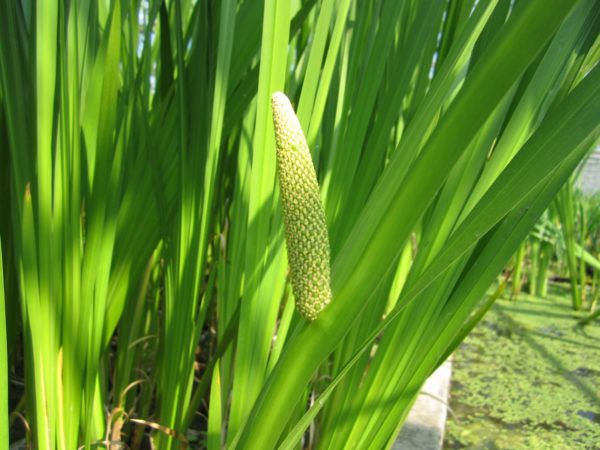
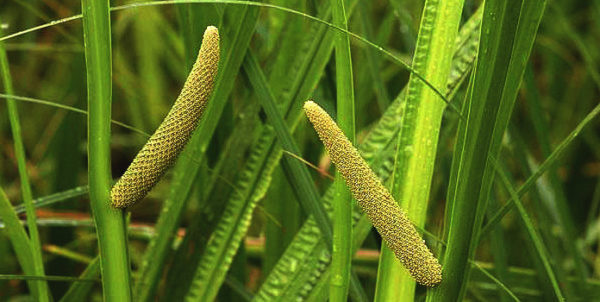
Acorus calamus (Sweet Flag) is a striking, architectural marginal plant known for its upright, sword‑shaped foliage and distinctive sweet, aromatic scent released when the leaves are brushed or crushed. A superb choice for natural ponds, filtration edges, and wildlife areas, Sweet Flag provides structure, movement, and year‑round interest.
This hardy perennial thrives in shallow water or consistently damp soil, forming elegant clumps that soften pond edges while supporting ecological diversity.
Key Features
- Strong, upright architectural foliage
- Aromatic leaves with a clean, sweet fragrance
- Excellent for natural filtration and wildlife ponds
- Hardy, reliable, and long‑lived
- Adds height and structure to pond margins
Planting & Positioning
- Planting depth: 0–10 cm above crown
- Position: Full sun to part shade
- Ideal for: Pond margins, bog gardens, natural filtration zones, wildlife ponds
- Growth habit: Upright, clump‑forming perennial
- Flowering period: May–July (subtle greenish‑yellow spadix)
Care & Maintenance
- Very low maintenance
- Cut back old foliage in late winter or early spring
- Divide every 2–3 years to maintain vigour
- Fully hardy in all UK climates
Technical Data
- Botanical name: Acorus calamus
- Growth rate: Medium
- Supplied as: Bare‑root or potted (depending on stock)
- Wildlife value: Good (shelter, structure, filtration)
- Native status: Naturalised in the UK
Companion Plant Suggestions
- Pontederia cordata – bold foliage contrast and blue summer flowers
- Iris versicolor – strong vertical accents with vibrant blooms
- Carex riparia – naturalistic texture and movement
- Ranunculus flammula – low, yellow flowering marginal for colour balance
FAQ
Does Acorus calamus have a strong scent
Yes — the foliage releases a sweet, clean aroma when crushed or brushed.
Is Sweet Flag good for wildlife ponds
Absolutely. It provides shelter, structure, and natural filtration, supporting a healthy pond ecosystem.
Can it grow in normal garden soil
Yes — as long as the soil stays consistently moist, it performs well in bog gardens and wet borders.
How tall does it grow
Typically 60–100 cm, forming elegant, upright clumps.
| PLANT TYPE | Marginal |
|---|---|
| FLOWER COLOUR | Green |
| SUN/SHADE | Full sun to part shade |
| NATIVE | Naturalised |
| SEASON | Summer |
| HEIGHT MIN | 60 |
| HEIGHT MAX | 90 |
| DEPTH MIN | 1 |
| DEPTH MAX | 15 |
| SPREAD MIN | 0 |
| SPREAD MAX | 0 |
| FLOWER TIME | Jun & Jul |
| POT SIZE | 1 Litre, 1 Litre (pack of 3), 10 No. Plugs Bare Root, 3 Litres, 3 No. Medium Bare Root, 3 No. Small Bare Root, 9 cm (pack of 3), 9cm, Large Bare Root, Medium Bare Root, Plug Bare Root, Small Bare Root |